










































From Isolation to Solidarity: How Community Mobilization Underpins HIV Prevention in the Avahan AIDS India Initiative
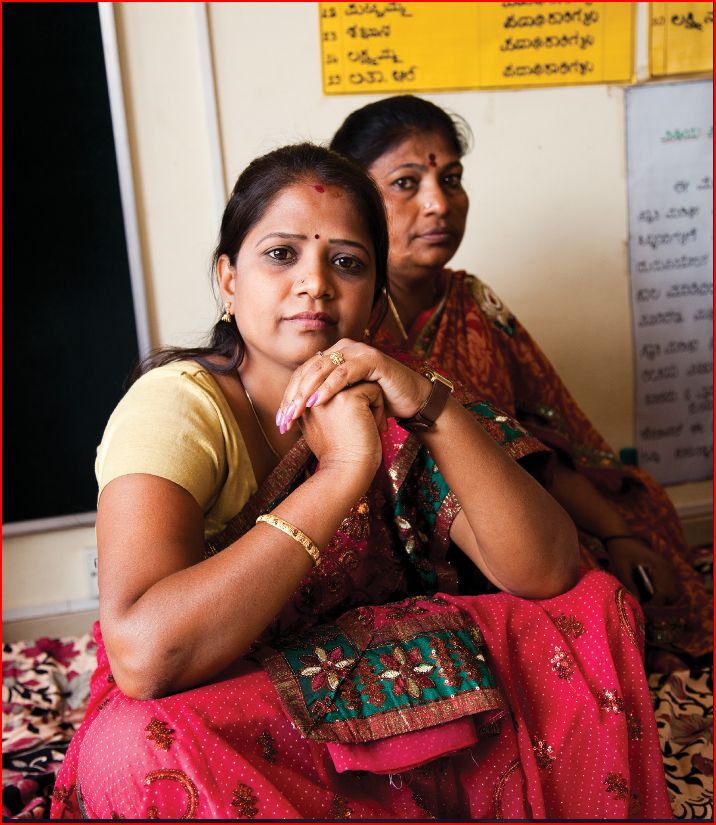
"How can you prevent the spread of HIV among people who may consider it one of their least pressing concerns?"
This case study examines how the Avahan AIDS India Initiative (see Related Summaries below) used community mobilisation to facilitate the active participation of key populations (KPs) in HIV prevention. Through the formation of community-based organisations (CBOs), the initiative helped members of KPs - female sex workers (FSWs), high-risk men who have sex with men (HR-MSM), transgender people (TGs), and injecting drug users (IDUs) - work for HIV prevention and pursue self-defined agendas of improved social welfare and greater rights. The case study presents the operational inputs that helped Avahan mobilise KPs and strengthen CBOs. It discusses the role of CBOs in sustaining HIV prevention and related activities and the tangible impact of community mobilisation on individuals and communities.
Operating since 2003 with funding from the Bill & Melinda Gates Foundation, the Avahan India AIDS Initiative has organised non-governmental organisations (NGOs), peer outreach workers, and other community members to provide a standardised package of HIV prevention services for 320,000 community members in 6 Indian states. This communication-centred effort is grounded in the knowledge that India has a long history of community mobilisation for social change but that significant discrimination still exists. Broad social inequalities based on gender, class, and sexual identity are further complicated by specific problems affecting many of those at high risk of HIV, such as low educational levels and illiteracy, lack of access to loans to finance alternative enterprise, and denial of social entitlements such as healthcare services, identity cards, food ration cards, and children's education.
The programme's strategy is described here as a structural intervention in that it locates the source of public health problems in factors in the social, economic, and political environments that shape and constrain individual, community, and societal health outcomes. The specific approach involves facilitating the active participation of community members in HIV prevention and other interventions. As community members receiving HIV prevention services have become more aware of their common problems, they have organised grassroots groups to reduce their isolation and address problems at a local level. Over time and with the support of Avahan, these groups have formalised into CBOs with the capacity to oversee programming and engage in policy activism. One of their goals is to help their members overcome the isolation and vulnerability they have experienced as individuals. Their structure provides long-term cohesion for collective problem solving. While remaining focused on HIV prevention, they also allow communities to use their skills and commitment to work for improved social welfare and social justice.
This publication presents some of the operational steps the Avahan programme has taken to mobilize communities and strengthen CBOs of FSWs, HR-MSM, TGs, and IDUs. It also describes some of the tangible impacts of community mobilisation on individuals and communities. The information presented here is based on Avahan's operational experience, peer-reviewed publications about Avahan, and a series of in-depth interviews conducted by the author in October 2010.
Amongst the programme outcomes that emerge from the stories included in this publication (footnote numbers have been removed by the editor):
- HIV prevention: A central role of CBOs is to sustain safe sex behaviours among members and the wider communities in which they live and work. Research from across Avahan has shown associations between high levels of collectivisation and condom use among FSWs and HR-MSM. Similarly, there is an association between increases in condom distribution and reductions in sexually transmitted infection (STI) rates as community members gain greater confidence in services and providers. Peer outreach workers have gained experience and confidence by serving as a link between community members and HIV prevention services. The programme has supported them in becoming leaders for their community, facilitating activities that help community members coalesce into informal groups. These groups became the foundation for many of the CBOs that have since formed.
- Crisis response systems and legal literacy training: Across the 6 states where Avahan works, crisis response systems have reportedly "provided community members with experience tackling immediate problems and standing up to authorities and other stakeholders who previously intimidated them. These systems and related advocacy, legal literacy, and sensitisation work have helped to dramatically reduce the number of reported crises. The systems have also become more efficient. Experience gained in crisis response means that many incidents can now be handled by a single person rather than an entire group. In Mumbai and Thane...the CBO's discussions with authorities at health facilities have resulted in speedier and better treatment from health providers."
- Governance and leadership: A monitoring survey of CBOs designed and implemented by an outside organisation suggests a diversity of stages of maturity among groups. In the first round of the survey, conducted in 2008-2009, nearly three-quarters of the CBOs were assessed as being in the early stages of maturity in internal decision-making and governance processes. Fewer than half were rated as being strong in providing leadership for planning and organising events. However, more than three-quarters of the CBOs were generating their own financing (albeit not in sufficient amounts to sustain activities) and were judged to be capable of operating on their own, without the regular involvement of the local implementing partner in the CBO's internal operations.
- Government recognition: One benefit of official recognition for some CBOs has been invitations to sit on government committees. This enables community members to conduct focused advocacy and lobbying on specific issues with government officers.
- Educational aspiration: According to this case study, a frequently expressed hope of FSWs is that their children will go to school, receive a good education, and be able to either marry well or obtain a good job. "This is often why FSWs, many of whom are single parents or the sole breadwinner in the household, continue in sex work....Some CBOs have become adept at interacting with school officials to cut through red tape to gain places for individual children. One CBO in northern Karnataka insists that the children of all its members attend school, and members visit parents before the school term begins to ensure that the children will be ready. This action has the potential to break the cycle whereby lack of education leads to impoverishment and - for young women - entry into sex work seems the only viable economic option."
- Collective agency: "A visitor to a CBO may be struck by the sense of cohesion that exists among its members. CBO members talk in terms of unity, solidarity, and collective agency when they discuss the changes that have occurred in their lives. They take pride in their individual personal change and have a deep sense of accomplishment in creating organizations that represent and serve their interests."
Looking ahead (the clinical and commodity components of the Avahan programme will be taken over by national and state government bodies in 2013), it is noted that one test of each CBO will be its ability to reach and motivate new sex workers to fully use HIV prevention services and support or participate in the CBO's work. As detailed here, CBOs must give attention to several areas, supported in the short term by technical assistance from Avahan. These areas include:
- Thinking long term
- Engaging with the state ("brokering may be needed by established community leaders to open doors for these marginalized communities, as well as ongoing work to keep lines of communication open")
- Advocating for change ("the data collection and advocacy skills that CBO members have gained through peer outreach and crisis response can be combined with networking with other groups to inform and influence decision making - at least on local conditions and issues")
- Networking for strength
- Planning for longevity
The experiences included here "suggest that community mobilization can be undertaken deliberately by an HIV prevention program and that it can be a foundation for ensuring that communities sustain their demand for existing clinical components of HIV prevention, as well as their commitment to behavior change, well into the future."
Editor's note, September 28 2017: Our apologies, but this document is no longer available online.
Email from Sarah McNabb to The Communication Initiative on August 12 2013.
- Log in to post comments