










































Social Mobilization for Cholera Prevention & Control in India: Building on the Existing Framework
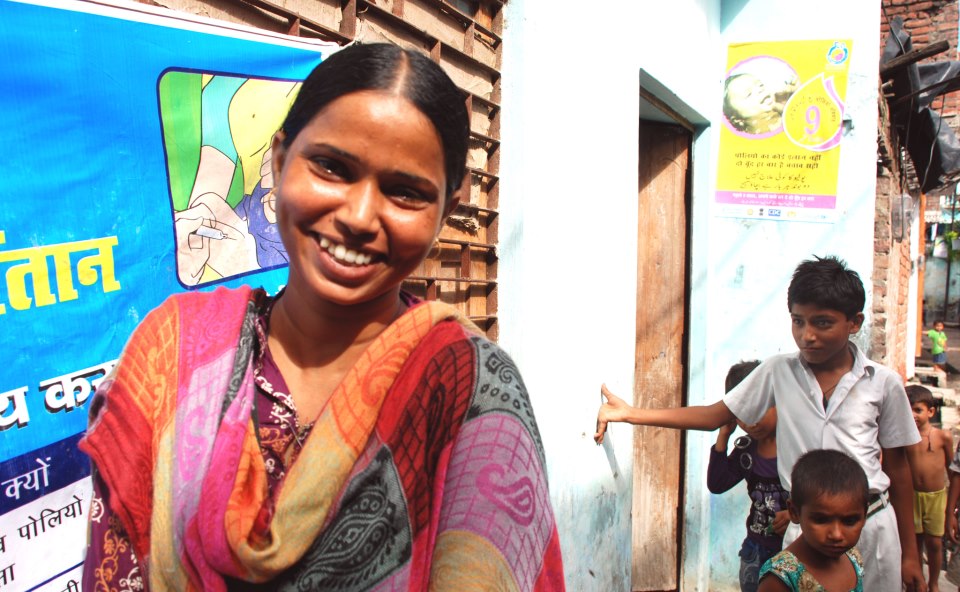
Translational Health Science and Technology Institute (S.S. Gupta); UNICEF (S.K. Gupta)
"A systematically planned social mobilization effort for cholera will be key for the OCV vaccination programme to be successful..."
There is an ongoing effort to develop a national roadmap for cholera prevention and control in India. In the fight against this diarrheoal disease, apart from access to clean drinking water and improved sanitation, deploying a short-term preventive measure - the oral cholera vaccine (OCV) - to the population at risk in a timely manner can be challenging, especially in resource-constrained settings. Social mobilisation (SM) becomes relevant in addressing the misconceptions and reluctance that can impede correct decision-making and timely allocation of appropriate resources. Drawing on lessons learned from the use of SM in the context of the fight against cholera globally, as well as in the case of polio eradication in India, this paper argues for the value of SM in India to mobilise the masses for immunisation with OCV as an intervention in the comprehensive toolkit for cholera prevention.
As reported here, the 2010 cholera outbreak in Haiti provides an example of a successful SM effort that was built over time. Some elements of the effort:
- A high-level coalition of leaders of political parties, religious organisations, artists, musicians, journalists, and the Haitian chamber of commerce were brought together for accurate messaging about cholera to challenge local myths and misconceptions about the disease, using all available media channels.
- Those at highest risk were taught how to prevent cholera, recognise its symptoms, and assist in responding to the outbreak.
- Religious organisations mobilised the vulnerable population, and civil society and development partners were engaged to assist the government in coordinating, monitoring, and evaluating cholera-related SM activities.
- Efforts were made to involve schools, teachers, and directors so as to inform and empower vulnerable children and their parents.
- Direction Nationale de l'Eau Portable et de l'Assoinissement (Dinepa) and UNICEF engaged with a wider network of hygiene promotors and child protection, nutrition, and health partners to integrate messages for cholera prevention.
Learnings from a demonstration project for mass OCV vaccination in the Satyabadi block of Puri District in Odisha - the preparation for which involved sensitisation of health department officials and policymakers - are shared. SM was carried out by via interpersonal communication through door-to-door visits by local health volunteers, and posters and leaflets were disseminated. Reportedly, such activities "were not only important in understanding the concerns of the people involved, helped plan a strategy to inform and allay the fears but also ensured there is voluntary participation in the vaccination programme."
The article explores a potential OCV implementation strategy in India that would draw on SM strategies. Given the large population of India and the global shortage of vaccine doses, such a strategy would need to prioritise the population at the highest risk, even within a hotspot. As a first step before starting the mobilisation activity, the key stakeholders to be reached would have to be mapped out and their knowledge, attitudes, and practices (KAP) documented in the hotspots. This would be the basis of the design of the SM and its impact measurement, in due course. "Having local political and religious leaders on board could ensure compliance during the vaccination programme."
To facilitate this strategy for OCV, India could draw on an existing framework: the Social Mobilization network, SMNet, which was created by UNICEF in 2002 to counter the polio outbreaks and mass resistance to polio vaccination in Uttar Pradesh. SMNet used a combination of various approaches to successfully address the resistance to polio vaccination by mobilising mothers, counsellors, religious leaders, and community influencers to participate in one-to-one or group meetings, rallies, and larger meetings at religious institutions to achieve interruption in transmission of the virus. In 2009, the scope of the SMNet was expanded to support convergent health activities like routine immunisation and in 2015 through Mission Indradhanush. "The SMNet model should be made use of to achieve similar goals in case of cholera, especially in the hotspots."
A concluding thought, going forward with SM in the context of OCV in India: "Care should be taken to ensure convergence with the local public health system and factor in specific needs and context of the local geography."
Vaccine https://doi.org/10.1016/j.vaccine.2019.07.047. Image credit: UNICEF India via Facebook
- Log in to post comments